Visibility Doesn't Equal Influence: The Difference Every Brand Should Know
Published by Assured Advertising | 26 August 2026 | Blog
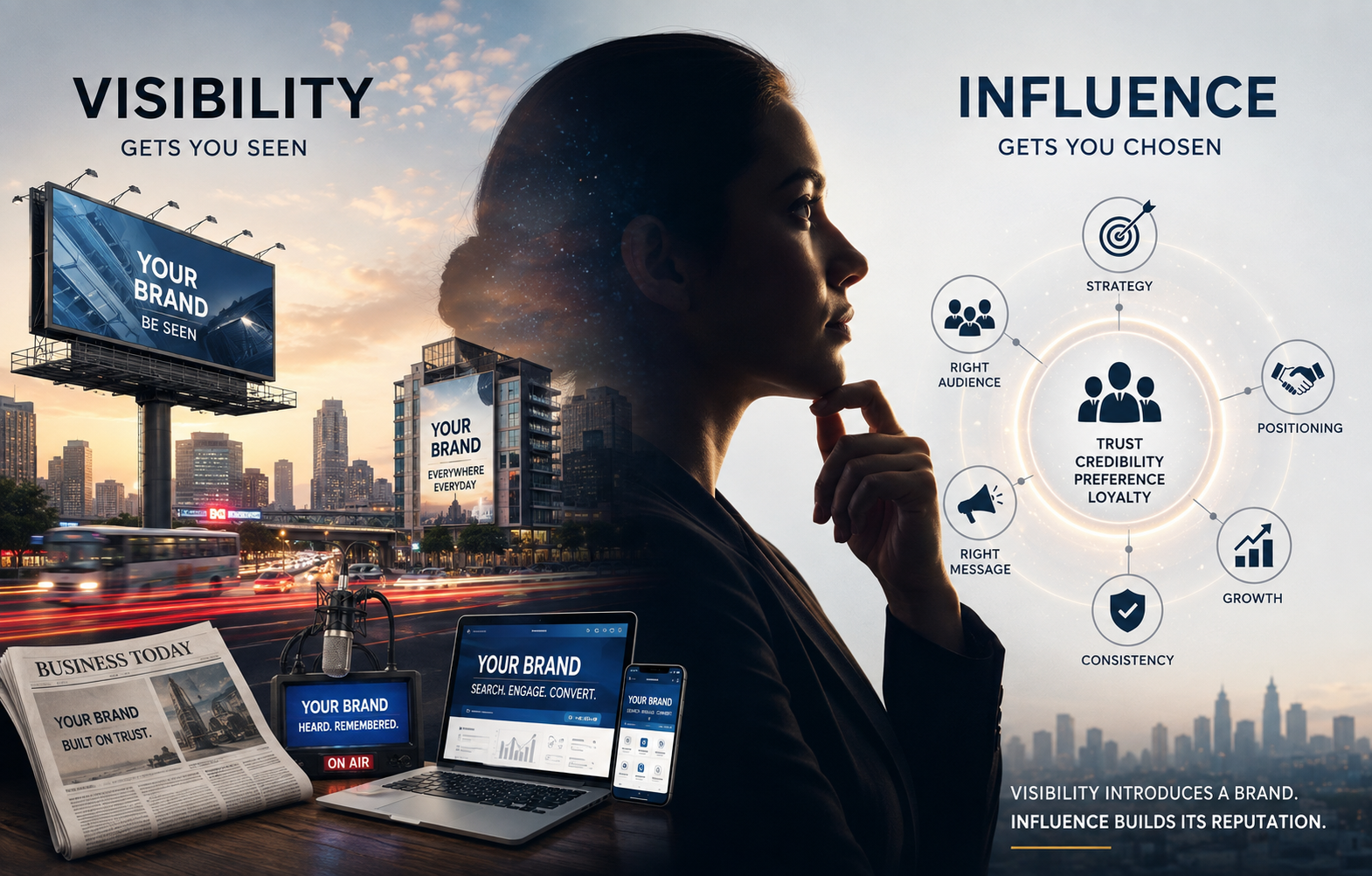
Many businesses believe that if more people see their brand, success will naturally follow. They focus on increasing impressions, expanding reach, and appearing across as many channels as possible.
Visibility certainly matters, but visibility alone does not create influence.
A brand can be highly visible yet struggle to earn enquiries, loyalty, or recommendations. On the other hand, some brands become market leaders because they influence how people think, feel, and make purchasing decisions.
The difference lies in what happens after people notice the brand.
Awareness Gets You Seen. Influence Gets You Chosen.
The purpose of brand awareness is to introduce a business to its audience. It ensures people recognise the name, logo, or message when they encounter it.
Influence begins later.
It develops when repeated exposure creates familiarity, familiarity builds confidence, and confidence encourages action. People don't choose a brand simply because they have seen it. They choose it because they believe it is credible, relevant, and worth considering.
That is why awareness should be viewed as the beginning of the customer journey, not the destination.
Brand Positioning Shapes Influence
Two businesses can receive similar levels of visibility and produce completely different outcomes.
The difference is often brand positioning.
A brand that consistently appears in trusted environments with clear messaging develops a stronger market identity than one that simply advertises everywhere. Every advertisement, media placement, and customer interaction contributes to how the audience perceives the brand.
Positioning answers an important question:
"When customers think about this category, what do they associate with our brand?"
Without clear positioning, visibility becomes fragmented. With strong positioning, every campaign reinforces the same perception.
Consumer Trust Turns Visibility Into Business
People rarely buy from brands they do not trust.
That is why consumer trust is one of the most valuable outcomes of effective advertising.
Trust is built through consistency rather than isolated campaigns. When people repeatedly encounter a brand in credible media environments, they begin to feel more familiar with it. That familiarity reduces uncertainty during the buying process.
Choosing the right media channels is therefore just as important as the message itself. The environment in which people discover a brand often influences how credible they believe it to be.
Every Medium Has a Different Role
Many businesses compare traditional media with digital marketing as though one must replace the other.
The Integration Imperative
In reality, every medium contributes differently to influence.
Print media helps establish credibility by placing brands in trusted editorial environments. Readers often associate the reliability of the publication with the businesses featured inside it.
Outdoor advertising creates public presence. Repeated exposure in high-traffic locations helps brands become familiar landmarks within a city, strengthening recall and market confidence.
Radio campaigns reinforce recognition through repetition. Hearing a brand regularly during everyday routines helps keep it top of mind when customers are ready to make a purchase.
Meanwhile, digital marketing converts intent into measurable action. Traditional media often creates confidence and demand before people search online, while digital marketing captures that demand through websites, search engines, and lead generation.
The strongest campaigns do not choose one over the other. They combine them to create awareness, credibility, recall, and business growth.
Strategy Creates Influence
Many campaigns generate visibility because they are seen.
Fewer campaigns create influence because they are remembered.
The difference is not repeated exposure alone. It is consistent perception. When every campaign reinforces the same message, values, and positioning across different media, audiences begin to associate the brand with credibility and reliability.
Successful brands do not chase every available advertising opportunity. They choose media that aligns with their audience, business objectives, and desired perception.
Being visible everywhere is not the goal. Being remembered for the right reasons is.
Conclusion
Visibility introduces a brand. Influence builds its reputation.
Businesses that focus only on impressions often mistake exposure for success. The brands that achieve lasting growth understand that visibility must be supported by trust, positioning, and a consistent media strategy.
For Assured Advertising, the objective is never to make brands simply more visible. It is to help them become more influential by building credible visibility that strengthens perception, earns consumer trust, and supports long-term business growth.
Because success is not measured by how many people see a brand. It is measured by how many of the right people remember it, trust it, and choose it.
FAQs
1. What is the difference between brand awareness and influence?
Brand awareness focuses on helping people recognise a brand, while influence determines whether they trust it, remember it, and choose it over competitors.
2. Why is brand positioning important?
Strong brand positioning creates a clear identity in the minds of customers, making advertising more consistent and memorable across every channel.
3. How does outdoor advertising build influence?
Outdoor advertising strengthens influence by creating repeated public visibility, improving recall, and making brands feel established within their target markets.
4. Why should businesses combine traditional and digital marketing?
Traditional media builds credibility and familiarity, while digital marketing converts customer intent into measurable actions. Together, they create stronger, more effective campaigns and long-term brand influence.